



-
 Roofing
-
 0 Comments
A Beginner’s Guide to Flat Roof Installation: Process, Tools, and Techniques
Flat roofs are a popular choice for modern homes, commercial buildings, and garages due to their sleek design, cost-effectiveness, and ease of maintenance. However, installing a flat roof requires a specific set of skills, tools, and techniques to ensure durability and proper drainage. This beginner’s guide will walk you through the entire flat roof installation process, from preparation to finishing touches, while providing essential tips and best practices for a secure and long-lasting roof.
Why Flat Roof Installation Matters
While flat roofs are visually appealing and efficient, improper installation can lead to water pooling, leaks, and structural damage. Flat roof installation requires attention to detail, quality materials, and proper sealing techniques. Understanding the process ensures that homeowners, DIY enthusiasts, and new contractors can avoid costly mistakes and enjoy a roof that performs reliably over time.
Step 1: Preparing for Flat Roof Installation
Preparation is a crucial first step in any roofing project. A successful flat roof installation begins with:
- Assessing the Existing Roof: Remove any old roofing materials, inspect the roof deck for rot or damage, and ensure it is structurally sound.
- Measuring the Roof Area: Accurate measurements of length, width, and slope are necessary to calculate material requirements.
- Gathering Tools and Materials: Essential tools include a utility knife, roofing roller, tape measure, broom, and roofing adhesive. Materials may include EPDM rubber sheets, TPO, modified bitumen, insulation, and sealants.
- Checking Building Codes: Confirm local regulations, permits, and any energy efficiency requirements before starting the project.
Proper preparation reduces errors, improves efficiency, and sets the foundation for a smooth installation.
Step 2: Choosing the Right Materials
Selecting the right materials for flat roof installation depends on durability, budget, and climate. Popular options include:
- EPDM Rubber Roofing: Flexible, UV-resistant, and easy to install, making it ideal for beginners.
- TPO Roofing: Thermoplastic membrane offering heat resistance and energy efficiency.
- Modified Bitumen: Asphalt-based material with excellent waterproofing properties.
- PVC Roofing: Durable and resistant to chemical exposure, commonly used in commercial projects.
Choosing high-quality materials ensures longevity and reduces maintenance needs.
Step 3: Installing Roof Insulation
Proper insulation is critical for flat roofs to regulate temperature, prevent condensation, and increase energy efficiency. Install rigid foam boards or other insulation materials over the roof deck, ensuring they are level and securely fastened. Overlapping joints and sealing edges will reduce the risk of leaks and thermal bridging.
Step 4: Installing the Flat Roof Membrane
The membrane is the core waterproof layer of a flat roof. Steps for installation include:
- Cleaning the Roof Deck: Sweep away debris, dust, and moisture for proper adhesion.
- Positioning the Membrane: Roll out the roofing material, allowing for overlaps as specified by the manufacturer.
- Applying Adhesive or Heat Sealing: Depending on the material (EPDM, TPO, or bitumen), apply adhesive or use heat welding to secure the membrane.
- Smoothing the Surface: Use a roofing roller to remove air bubbles and ensure full contact with the substrate.
Proper membrane installation is critical to prevent leaks and water damage.
Step 5: Sealing Roof Edges and Penetrations
Flat roofs often have penetrations for vents, skylights, or pipes. Properly sealing these areas is essential to maintain waterproof integrity:
- Use compatible sealants and flashing materials around all edges and penetrations.
- Apply additional layers of membrane or reinforcement fabric for extra protection.
- Ensure corners and seams are well-adhered to prevent water infiltration.
Well-sealed edges extend the life of your flat roof and reduce maintenance issues.
Step 6: Installing Roof Drainage Systems
Flat roofs are prone to water pooling, which can cause leaks and structural damage. Installing effective drainage is essential:
- Position scuppers, gutters, or internal drains strategically to allow water runoff.
- Ensure proper slope (typically 1–2%) to guide water toward drainage points.
- Regularly inspect drainage systems for clogs and debris.
Proper drainage enhances the durability of the flat roof and prevents costly repairs.
Step 7: Inspection and Maintenance
After completing installation, inspect the flat roof for proper adhesion, seamless edges, and effective drainage. Maintenance is key to extending the life of your flat roof:
- Inspect the roof at least twice a year, especially after storms.
- Clear debris and check for signs of wear or damage.
- Repair minor tears or punctures immediately to avoid leaks.
Routine maintenance keeps your flat roof functional and extends its lifespan.
Flat Roof Installation Tips for Beginners
- Work with a Partner: Flat roof installation is easier and safer with assistance.
- Follow Manufacturer Guidelines: Each roofing material has unique installation requirements.
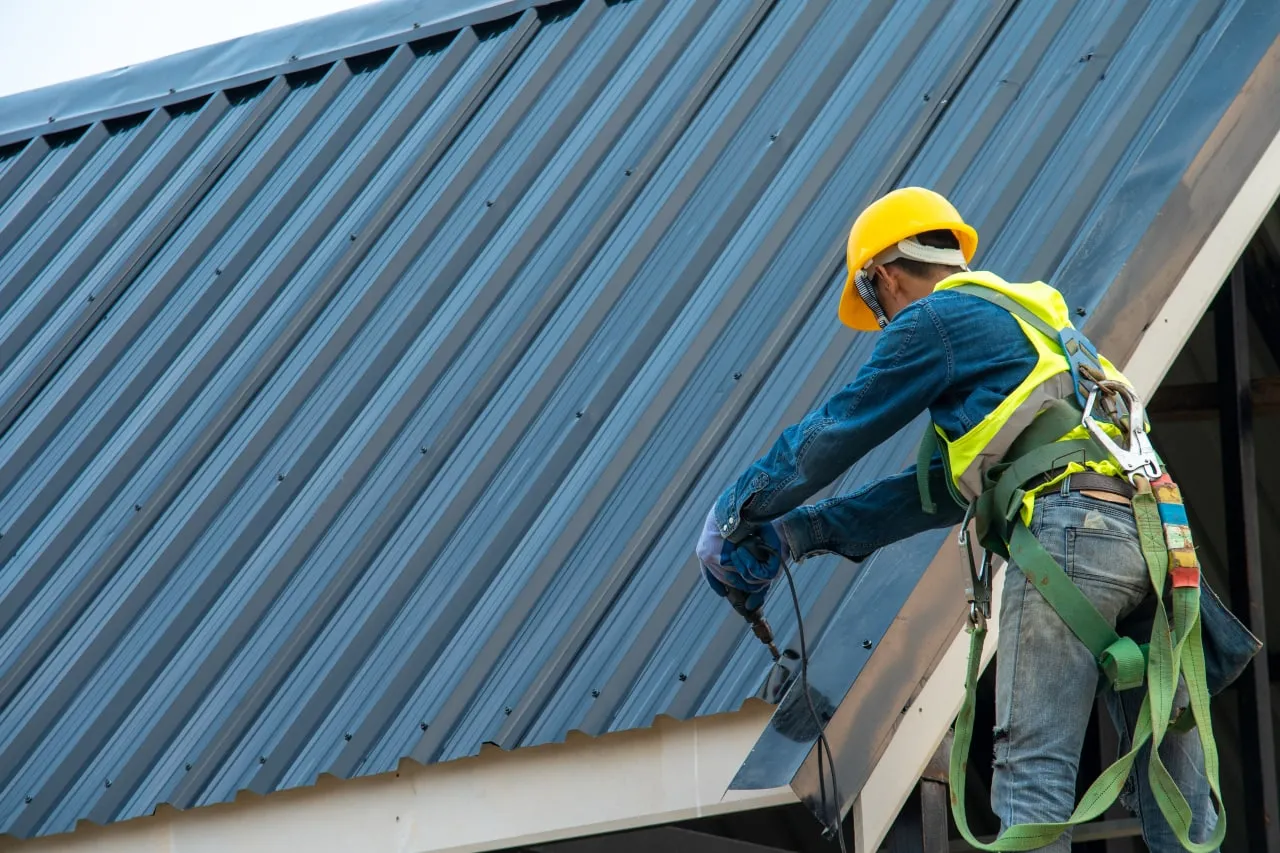
- Prioritize Safety: Use harnesses, ladders, and PPE when working at heights.
- Plan for Weather: Avoid installation during rain or high winds.
- Take Your Time: Proper installation is more important than rushing to finish.
Following these tips ensures a successful flat roof installation and minimizes the risk of errors.
Conclusion
Flat roof installation may seem challenging at first, but with proper preparation, the right materials, and a step-by-step approach, beginners can achieve a durable, water-tight roof. From preparing the deck and selecting materials to applying membranes, sealing edges, and ensuring proper drainage, every step is crucial for long-term performance. By following this flat roof installation guide, homeowners, DIY enthusiasts, and new contractors can confidently tackle their roofing project and enjoy a secure, low-maintenance roof for years to come.
